


Sometimes, the way your lower teeth settle can feel puzzling, especially when slight shifts begin changing how they look or fit together. You might notice subtle crowding or a sense that movement has occurred without a clear reason, leaving you curious about what influences these changes. The desire to straighten bottom teeth often grows from noticing small changes that seem to appear gradually rather than all at once.
For many people, these changes become most noticeable along the bottom row, where even small shifts stand out more clearly.
It can feel reassuring to know there are ways to address these concerns without rushing into assumptions about what treatment involves. You will find clarity when you understand how alignment works, why changes occur, and which choices suit your mouth without committing too early.
Lower teeth are sensitive to slight changes in the surrounding structures, especially as jaw size and shape continue to mature. When even minor adjustments occur, the balance between upper teeth and lower teeth begins to alter in ways you may not expect. These small shifts influence how bottom teeth settle, guiding them into positions that feel different from earlier years.
Growth patterns, biological variation, and age-related changes all create scenarios where teeth start drifting into less space. The result is a subtle change in alignment that becomes more noticeable over time. This process often begins as a minor misalignment before it becomes visually obvious.
The movement of other teeth creates influences that are quite powerful in tight spaces. When crooked teeth begin shifting forward or backward, pressure is distributed unevenly across the line of lower front teeth. Misaligned teeth higher in the jaw can set off a chain of movement that shapes how the rest of the mouth responds. This can happen gradually, building into a pattern of crooked bottom teeth that draws your attention later in life. Even if the change feels sudden, the underlying shifts have likely been occurring for years. These pressure changes may also contribute to early bite problems.
Late growth trends create conditions where leftover pressure from wisdom teeth, childhood habits, or earlier crowding begins to play a larger role. This type of change often becomes noticeable in adulthood, long after you thought alignment had stabilised.
Growth influences can move along the jaw in subtle waves, placing new forces on teeth that had once seemed stable.
When crooked bottom teeth sit too close together, food particles become harder to reach. This makes oral hygiene feel less straightforward, especially around curved edges or narrow gaps. Tight spaces often trap residue that influences gum disease and increases the need for closer monitoring. Over time, difficulty cleaning certain regions contributes to long-term challenges around the gums. This creates more work for your dentist during regular visits. Plaque build-up in these areas can also contribute to persistent bad breath.
Misaligned bottom teeth affect how pressure is distributed across the bite. This uneven contact may shift chewing forces onto areas that are not designed to absorb extra load. The result can be jaw pain or strain when eating certain foods. These changes sometimes alter how top teeth meet the lower ones, creating small imbalances that become clearer with daily use. Mild to moderate changes in contact still influence comfort over time.
Teeth alignment influences where friction occurs during everyday chewing, and when bottom teeth sit out of position, certain edges experience uneven wear that develops gradually. This pattern may seem subtle at first, but over time it can shape the enamel in noticeable ways as the bite adapts to these repeated contacts.
Tightly packed teeth may transmit more pressure into the gums or the lower jaw when chewing. Over time, this combination can lead to sensations of sensitivity, especially if the crowding worsens. These feelings often arise when tooth surfaces touch in ways that do not match their natural alignment. The shifting patterns can also influence other teeth and cause mild tension across the mouth. Early attention helps prevent these feelings from progressing further.
Teeth straightening options become clearer when your dentist reviews the shape of your lower jaw, the spacing between teeth, and any earlier crowding. A treatment plan may involve clear aligners/Invisalign, traditional metal braces, lingual braces, or removable aligners, depending on your goals.
Each choice guides teeth into healthier positions, allowing lower teeth to play a more stable role in daily function. Traditional braces remain a choice for those needing stronger guidance, while aligners offer a different experience. The aim is to straighten crooked teeth with steps that suit your comfort and lifestyle. Some plans involve Invisalign treatment using Invisalign clear aligners designed to gradually straighten teeth over time.
Orthodontic treatment relies on consistent monitoring so that the teeth's aligned positions develop without unnecessary pressure. Review visits allow adjustments that fine-tune alignment while protecting the gums. These appointments help manage any uneven contact between upper and lower teeth and reduce the chance of tight spaces becoming uncomfortable. With steady checks, teeth straightening stays predictable and easier to follow. Your dentist creates space to discuss progress and address concerns early.
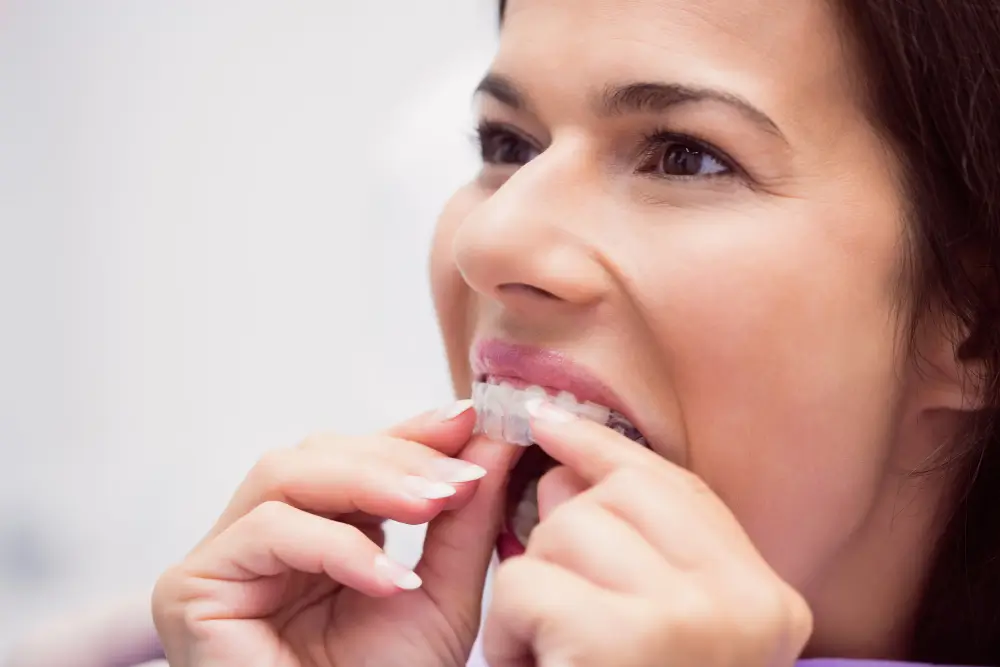
Clear aligners reshape the lower teeth gently through planned movements. Their effectiveness depends on consistent wear time and careful handling during daily use. They guide alignment by encouraging gradual changes that most cases tolerate comfortably.
Aligners work well when misaligned bottom teeth only need controlled adjustments. Even mild to moderate crowding can respond well when trays are worn as directed. Many people appreciate Invisalign aligners for how easily they fit into daily routines.
Straightening your bottom teeth progresses more smoothly when oral hygiene stays consistent. Good daily habits reduce plaque near tight spaces and protect gums against irritation. Maintaining a balanced routine keeps movement predictable and supports broader oral health.
These habits create a cleaner environment for orthodontic treatment to progress without interruption. Small actions throughout the day help each shift occur with less tension across the mouth. Using the right technique when you brush plays a key role during active alignment.
Treatment progresses more smoothly when concerns are raised early, and adjustments happen before small issues grow. Staying in contact with your dentist helps each refinement step stay predictable, keeps your bite comfortable, and prevents minor changes from influencing alignment.

Retainers protect straighter teeth from sliding into earlier positions. Their purpose becomes clearer when you understand how alignment settles over time. Retention is essential because the mouth adapts slowly after treatment.
Routine visits after treatment help maintain balanced contact between the top teeth and the lower ones. These checks allow early identification of small changes before they influence alignment. When alignment remains stable, gum health benefits and oral health are easier to manage. Minor adjustments may be advised if uneven contact begins developing again. Early adjustments prevent pressure from shifting back into the lower front teeth.
Some habits influence tooth position even after orthodontic care is complete. Childhood habits such as thumb sucking and teeth grinding may continue influencing alignment without you noticing. Mindful changes reduce the risk of older behaviours affecting the lower jaw and treatment results. Gentle awareness throughout the day helps protect the gains achieved through orthodontic care. These habits make your smile feel more consistent in the long term.
Straightening lower teeth becomes easier when you understand what influences their movement and how personalised treatment creates predictable change. Your alignment choices depend on your goals, the way the mouth functions, and how different treatment options fit into your lifestyle.
Our clinic can guide you through braces, aligners, and other approaches that fit your alignment needs. You can learn what suits your situation by arranging a visit where your dentist explains what works for your mouth. For clearer direction on treating teeth straightening concerns, contact our dental centre on (03) 9008 6366 when you are ready to move forward.






Monday - Thursday: 8.30am-5.30pm
Friday: 8.30am-4.30pm
Saturday: 9.00am-2.00pm (by appointment only)
Sunday: Closed
Note: Any surgical or invasive procedure carries risks. Before proceeding, you should seek a second opinion from an appropriately qualified health practitioner.
Financial disclaimer: All financial information on this website is general and not to be taken as financial advice. It is recommended that you discuss your personal finance options with your financial institution and/or advisor before making a decision.
Privacy Policy | Terms and Conditions
Copyright © Arc Dental 2025. All rights reserved.