


If you are exploring ways to replace missing teeth, implant-retained dentures may be one of the most stable and comfortable options available today. Many people turn to implant-retained dentures when traditional dentures no longer feel secure, or when they want a solution that looks and functions closer to natural teeth. Implant-retained dentures use dental implants to hold the denture in place, offering greater confidence, improved chewing strength, and a more natural feel when speaking or eating.
Unlike conventional dentures, which rest directly on the gums, retained dentures attach to implants in the jawbone. This connection can prevent bone loss, provide greater stability, and reduce the worry of dentures slipping during the day.
This guide explains how implant-retained dentures work, who they suit, what the procedure involves, the benefits and risks, and what to expect during the healing period.
Implant-retained dentures are a type of denture supported by dental implants placed in the jaw. These implants act like artificial tooth roots and provide a secure base for a removable denture. The denture “clicks” onto the implants for stability but can still be taken out for cleaning.
This makes them different from:
Implant-retained dentures aim to provide maximum comfort, improved retention, and a more natural feel for patients who want an upgrade from regular dentures but do not want a fully fixed option.
The way implant-retained dentures work is simple: the implants are placed into the jawbone, allowed to heal, and then used as anchor points for the new denture.
The denture contains small clips or attachments designed to connect to the implants. When inserted, the denture locks into place and stays secure while you bite, chew, and speak. This reduces movement and improves confidence compared to conventional dentures.
Implant-retained dentures can be used for both the upper jaw and the lower jaw, although many patients choose them for the lower denture, where traditional dentures tend to be least stable.

Most people choose this treatment because of the clear improvements it offers in daily life. Key benefits include:
The implants secure the denture, making eating more predictable and reducing discomfort caused by slipping false teeth. Patients can chew a wider variety of foods and enjoy a stronger, more natural bite.
Because the denture is supported by implants rather than only the gums, pressure is spread more evenly. This can reduce sore spots, irritation, and general denture discomfort.
The denture is designed to fit closely with the gums and mimic natural teeth in shape and colour. Many people feel more confident smiling, speaking, and interacting socially.
When teeth are missing, the jawbone slowly reduces in size over time. Dental implants stimulate the bone during chewing, helping prevent bone loss and maintain facial shape over time.
Although the denture stays firmly in place during the day, it can be removed at night for cleaning. This makes maintenance simple and supports better long-term oral health.
Implant-retained dentures may suit you if you:
People with remaining teeth may also be suitable if extractions are planned before the implant process begins.
A consultation with your dentist is the best way to check bone levels, gum health, and the most suitable type of implant treatment for your needs.
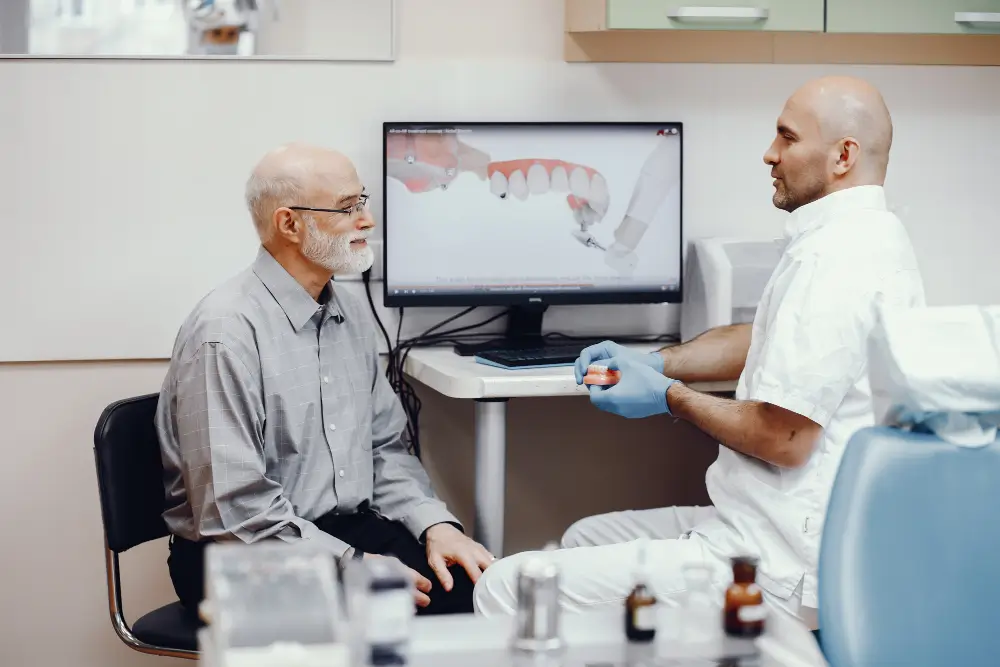
The implant process typically includes several stages. While every patient is different, it often follows these steps:
Your dentist examines your mouth, reviews your medical history, and takes scans to assess bone quality and remaining teeth. This helps determine the right number of implants and whether bone grafting is needed.
During a minor surgical procedure, implants are placed into the jaw. Most people describe mild discomfort afterward, similar to having a tooth removed.
The bone grows around the implants during a healing period called osseointegration. This can take several months. A temporary denture is often worn during this time.
Once healing is complete, the new denture is made and fitted. The attachments allow the denture to click into place securely.
For many patients, this moment feels life-changing, as they can finally bite, smile, and speak with renewed confidence.
Comparing implant-retained dentures to traditional dentures highlights the differences.
Traditional Dentures:
Implant-Retained Dentures:
For the lower jaw, especially, implant-retained dentures often offer a noticeable improvement in comfort and stability.
Fixed dentures are permanently attached to implants, while retained dentures remain removable. Choosing between the two depends on lifestyle, bone levels, budget, and personal preference.
Fixed Dentures May Suit You If:
Implant-Retained Dentures May Suit You If:
Both options can replace missing teeth successfully, but retained dentures often provide a more affordable balance of function and comfort.
While implant treatment is safe for most people, there are some considerations to be aware of, including:
Your dentist will go over these risks during your appointment to help you decide confidently.
Regular maintenance helps protect your implants and dentures. Patients are advised to:
Good care supports long-term success and keeps your smile healthy.
Implant-retained dentures provide a stable, secure, and natural-feeling option for replacing missing teeth. They combine the strength of implants with the flexibility of a removable denture, helping many people eat, speak, and smile with greater confidence.
If you are considering implant-retained dentures or want expert advice on the right tooth replacement option for your needs, speaking with your dentist is the best next step. A personalised consultation can help determine whether you have enough bone, what type of denture suits you, and how the treatment can improve your quality of life.
If you’re considering implant-retained dentures or want guidance on choosing a comfortable and stable tooth replacement option, you can book a consultation with us at Arc Dental or call (03) 9008 6366 to discuss what may suit your needs.
Resources
Cherney, K. & McLean, A. (2025). ‘10 Ways to Keep Your Teeth Healthy’. Healthline, 13 May. San Francisco, CA: Healthline Media.
https://www.healthline.com/health/dental-and-oral-health/best-practices-for-healthy-teeth
Cleveland Clinic Staff (2024). ‘What To Do After Oral Surgery: Recovery and Self-Care’. Cleveland Clinic, 5 July. Cleveland, OH: Cleveland Clinic.
https://health.clevelandclinic.org/post-op-recovery-oral-surgery
Mayo Clinic Staff (2024). ‘Dental implant surgery’. Mayo Clinic, 23 October. Rochester, MN: Mayo Foundation for Medical Education and Research. https://www.mayoclinic.org/tests-procedures/dental-implant-surgery/about/pac-20384622
Note: Any surgical or invasive procedure carries risks. Before proceeding, you should seek a second opinion from an appropriately qualified health practitioner.






Monday - Thursday: 8.30am-5.30pm
Friday: 8.30am-4.30pm
Saturday: 9.00am-2.00pm (by appointment only)
Sunday: Closed
Note: Any surgical or invasive procedure carries risks. Before proceeding, you should seek a second opinion from an appropriately qualified health practitioner.
Financial disclaimer: All financial information on this website is general and not to be taken as financial advice. It is recommended that you discuss your personal finance options with your financial institution and/or advisor before making a decision.
Privacy Policy | Terms and Conditions
Copyright © Arc Dental 2025. All rights reserved.