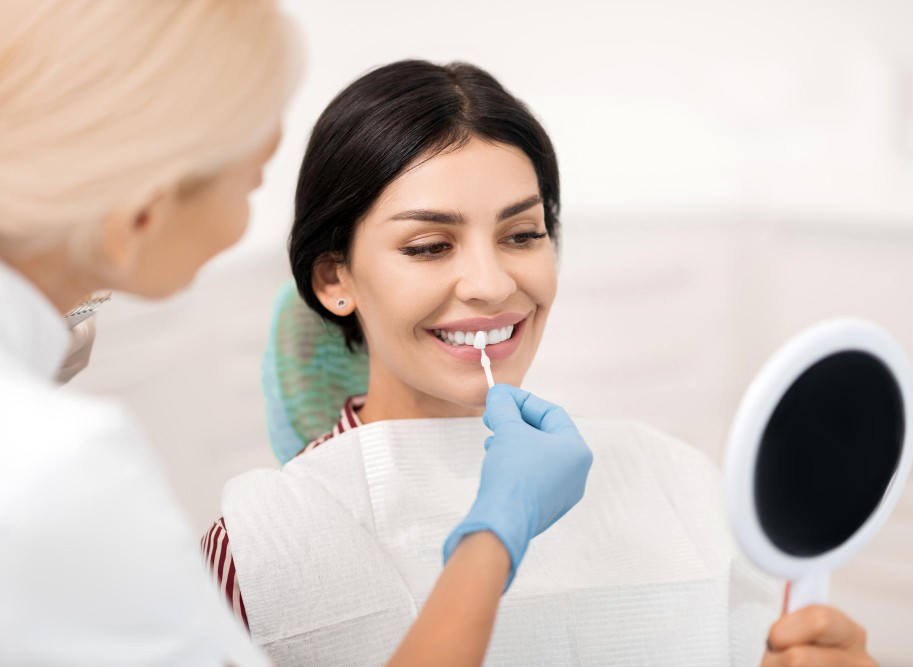


Teeth whitening treatment is one of the most common cosmetic treatments people choose when they want a brighter, fresher smile. But one question comes up more than anything else: how long does teeth whitening last? The answer isn’t the same for everyone. Your natural teeth, daily habits, and the whitening method you choose all play a role in how long your results stay noticeable.
In this guide, we’ll look at what affects teeth whitening longevity, why some whitening treatments work faster or last longer than others, and what you can do to make your whiter teeth stay brighter for as long as possible.
Most teeth whitening methods rely on a whitening gel that contains a bleaching agent such as hydrogen peroxide or carbamide peroxide. These ingredients break down stains on the tooth enamel through a chemical whitening process.
Foods and drinks like coffee, tea, and wine can quickly create new surface stains. Teeth whitening methods work differently depending on how deeply they reach into the enamel.
But even the best professional teeth whitening will fade eventually. That’s because tooth enamel is porous, and new surface stains slowly build up again. Good oral hygiene habits help slow this, but no whitening method is permanent.
When people ask how long teeth whitening lasts, they’re really asking how quickly everyday life will re-colour their teeth again. And the truth is: it varies from person to person.
Different whitening systems give different timeframes. Here’s a simple breakdown.
In-office whitening, sometimes called in-chair whitening, uses stronger whitening products and usually provides the longest-lasting results. Many people keep brighter teeth for 6–12 months, sometimes longer if they’re careful with food and drink choices. These professional treatments are done by a dentist, making it easier to whiten teeth safely and evenly.
Custom trays and gels from your dentist are also very effective. Results often last 6 months or more, depending on how often you do touch-up treatments. Because your dentist controls the whitening agent strength, the results tend to be stronger than over-the-counter whitening kits.
Items like whitening strips, whitening toothpaste, whitening mouthwash, and other teeth whitening products can brighten teeth, but they usually don’t last as long as professional whitening treatments. Results may last a few weeks to a couple of months. These options can help remove surface stains, but usually can’t treat deep stains.
Home ideas like baking soda often show very small changes. They can remove surface stains, but don’t create the same brightening teeth effect that peroxide-based whitening systems offer. They may help with short-term tooth discolouration, but shouldn’t be seen as long-lasting solutions.

Even if two people use the same whitening system, their results may fade at different speeds. Here are the main factors affecting your whitening longevity:
Anything that stains a white shirt can stain your teeth. Coffee, tea, soft drinks, wine, berries, sauces, curry, and dark chocolate all leave colour behind.
People with good oral hygiene tend to keep their results much longer. Brushing and flossing regularly helps remove surface stains before they settle into the enamel.
Smoking or vaping can quickly cause visible tooth discolouration again. If you continue these habits, whitening treatments may fade within weeks.
Some people naturally have thicker or smoother enamel, which can hold results longer. Others stain more easily.
A stronger bleaching agent generally lasts longer. That’s why professional whitening treatments often stay brighter for longer compared to over-the-counter products.

Whitening fades naturally, but you can slow it down. Simple daily habits make a big difference.
Brushing twice daily helps remove surface stains and maintain results. It also helps prevent tooth decay, which can darken teeth over time.
If brushing isn’t possible, rinsing with water can help reduce new stains.
A whitening method recommended by your dentist is usually the safest and most effective. You may also use whitening products like gentle toothpaste to remove surface stains, but remember that not all whitening treatments give the same results.
Even reducing your daily coffee or switching to a straw can make your whiter teeth last longer.
Your dental clinic can help monitor tooth enamel health, check for tooth sensitivity, and guide you on when a touch-up may be needed.
Most people find teeth whitening safe when they follow instructions carefully, especially when the treatment is supervised by a dentist. However, some people experience temporarily sensitive teeth or mild teeth sensitivity. This usually settles after treatment stops.
If you have existing dental issues like decay or gum disease, your dentist may recommend addressing those problems before whitening your natural teeth.
Whitening is great for improving the colour caused by food, drinks, ageing, and general tooth discolouration. It works well on many deep stains, but some conditions may not respond fully to bleaching.
For example:
In those cases, your dentist may recommend cosmetic treatment options other than whitening, such as veneers or bonding.
Touch-ups depend on your lifestyle, enamel type, and how quickly new stains form. Some people repeat at-home whitening kits every few months, while others come back for in-office whitening once or twice a year.
If you notice your brighter teeth starting to fade, a short touch-up can bring back your preferred shade.

There’s no single answer. Your whitening results depend on the whitening system used, your daily habits, and how well you look after your smile. Most people enjoy noticeably whiter teeth for several months, and sometimes up to a year or more with the right care.
If you want results that last as long as possible, consider professional treatments at a dental clinic. These options usually provide the strongest and most controlled whitening outcome.
Whitening can be an easy, effective way to brighten your smile. With simple habits and occasional maintenance, your results can stay fresh for a long time.
If you’re concerned about tooth discolouration or want a brighter, long-lasting result, you can book a consultation with us at Arc Dental or call (03) 9008 6366 for guidance that suits your needs.
Owens, N. (2025). ‘What Should You Know About Tooth Discoloration?’. WebMD, 16 August. New York, NY: WebMD LLC.
https://www.webmd.com/oral-health/tooth-discoloration
Cleveland Clinic Staff. (2023). ‘Cavities’. Cleveland Clinic, 27 March. Cleveland, OH: Cleveland Clinic.
https://my.clevelandclinic.org/health/diseases/10946-cavities
Colgate Oral Care Editorial Team. (2023). ‘What Is Good Oral Hygiene?’. Colgate, 9 January. New York, NY: Colgate-Palmolive Company.
https://www.colgate.com/en-us/oral-health/adult-oral-care/what-is-good-oral-hygiene






Monday - Thursday: 8.30am-5.30pm
Friday: 8.30am-4.30pm
Saturday: 9.00am-2.00pm (by appointment only)
Sunday: Closed
Note: Any surgical or invasive procedure carries risks. Before proceeding, you should seek a second opinion from an appropriately qualified health practitioner.
Financial disclaimer: All financial information on this website is general and not to be taken as financial advice. It is recommended that you discuss your personal finance options with your financial institution and/or advisor before making a decision.
Privacy Policy | Terms and Conditions
Copyright © Arc Dental 2025. All rights reserved.