


Many people explore veneers to improve the appearance of their teeth, but understanding how veneers work can help you feel more confident before starting treatment. Dental veneers are a popular cosmetic option because they can transform the appearance of your teeth without the need for extremely extensive dental procedures. Whether you're dealing with discoloured, crooked, broken, misshapen, or worn teeth, veneers offer a smooth, structured way to achieve a new smile.
Because veneers are used for a wide range of cosmetic concerns, many people also want to know the difference between porcelain veneers, composite veneers, resin veneers, and no-prep veneers, along with how the overall dental veneers procedure actually works. This guide explains the full process in simple terms, from the initial consultation to the bonding process, and what to expect during each visit.
To understand how veneers work, it helps to start with the basics. Veneers are thin, custom-made shells that cover the front surface of your natural teeth. They are carefully shaped to blend with your smile and support your overall aesthetic goals. Their job is to cover concerns such as misshapen teeth, crooked teeth, broken teeth, worn teeth, and discoloured teeth, helping you achieve a brighter, more even look without removing large amounts of the natural tooth structure.
Understanding the types of dental veneers available can help you choose the option that best supports your goals, lifestyle, and long-term dental needs. Each option works differently and offers its own benefits. Knowing these differences helps you understand how your new veneers will function and how long they may last.
Porcelain veneers are among the most well-known options. They are crafted from strong porcelain that mimics the natural sparkle of healthy teeth and offers excellent colour stability. Because porcelain veneers are durable and stain-resistant, they are often recommended for people seeking long-lasting results.
Traditional porcelain veneers are usually part of prep veneers. This means your dentist may remove a very thin layer of tooth enamel so the veneer fits smoothly and aligns with the surrounding teeth.
Porcelain veneers provide:
They usually require two to three appointments, but their strength makes them a popular long-term choice.
Composite veneers, also called resin veneers, are made from composite resin. This is the same composite material often used for dental fillings. These veneers are shaped directly onto the tooth surface and polished to blend with the surrounding teeth. They are usually completed in a single visit.

Composite veneers are suitable for correcting:
They can be easily repaired or refreshed if needed, although they may not last quite as long as porcelain.
No-prep veneers are ideal for people who want a minimally invasive option. No prep veneers are ideal for people who want a minimally invasive option. Because this type of veneer is very thin, it can usually be placed with little or no alteration to the tooth surface. This approach works well when the underlying structure already has enough space to hold the veneer comfortably.
No prep veneers:
They may not be suitable for severe misalignment or more complex cosmetic issues.
Temporary veneers are used while you wait for your custom-made shells to be created. They protect the underlying teeth, allow you to smile comfortably during the waiting period, and help you preview the final result.
Temporary veneers usually stay in place for a few weeks until your permanent veneers are ready.
Choosing between porcelain veneers, composite veneers, no-prep veneers, and temporary veneers depends on several factors your dentist evaluates during your initial consultation. The aim is not only to improve the appearance of your teeth but also to protect your natural, healthy teeth in the long term.
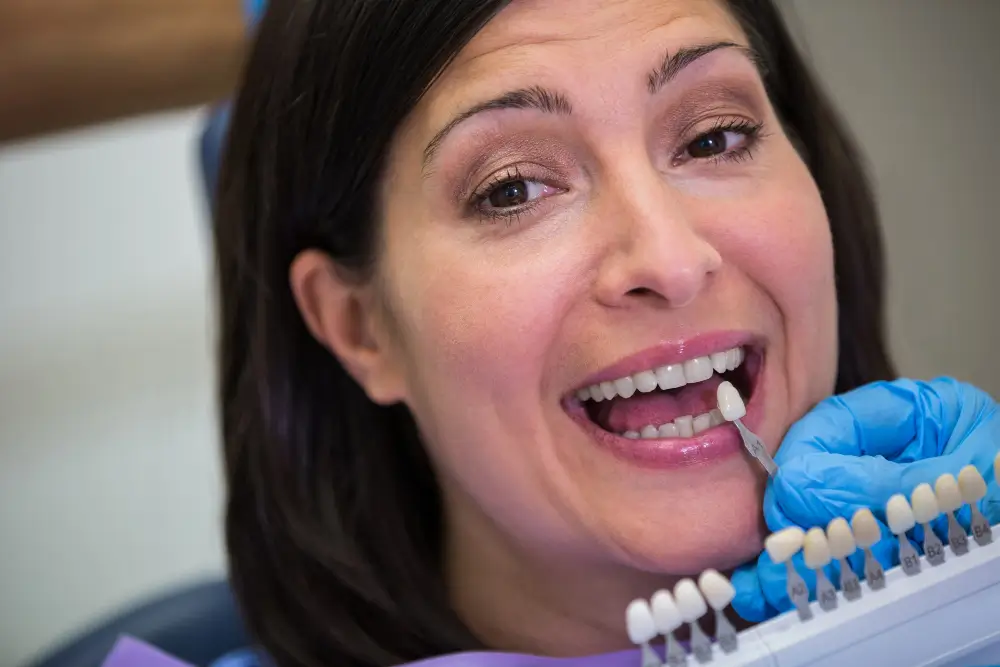
A dentist will look at:
This evaluation ensures that the veneers chosen will not only look good but also function well and stay secure on the tooth surface.
If you have stronger enamel and minimal shape issues, no-prep veneers may work well. If you want a dramatic colour or shape change, porcelain veneers usually deliver the best result. Composite veneers can be ideal for patients who want a cost-effective option or a faster procedure. Temporary veneers provide comfort and protection while you wait for your custom-made shells to be created.
To understand how veneers work, it is important to see how each stage contributes to the final result. Veneers improve your smile by using light, durable layers to reshape the appearance of your teeth. They attach using a strong dental bond or dental cement that holds them securely for many years.
In short, veneers work by:
But to fully understand the veneer procedure, it helps to look at each step.
The dental veneers procedure usually takes place over two main visits, although some cases may require extra visits depending on your individual needs.
Your journey begins with an initial consultation. During this visit, the dentist evaluates your teeth, gums, and long-term aesthetic goals. This appointment sets the expectations for your final outcome and helps you understand if veneers are the right choice.
During the initial consultation, your dentist will:
If veneers are suitable, your dentist will explain the types of veneers available and help you choose the best option based on your needs and preferences.
How the first appointment works depends on the type of veneer you choose.
For traditional porcelain veneers, your dentist may remove a thin layer of tooth enamel, usually less than the thickness of a fingernail. This makes space for the veneer so it aligns with the surrounding teeth and looks natural.
For no prep veneers, this step may be extremely minimal or skipped entirely. Because veneers are thin, they can be placed with little to no alteration to the tooth surface.
Once the tooth is prepared, your dentist will take impressions to create custom-made shells that fit perfectly. These are sent to a dental laboratory, where your new veneers are built with precision over a few weeks.
While waiting, you may wear temporary veneers to protect your underlying teeth and give you a preview of the outcome.
The second appointment is when your permanent veneers are placed. This part of the veneer procedure is where the bonding process happens.
The dentist will:
This ensures the veneers stay securely attached while maintaining a natural shape and colour.
The dentist makes sure the veneers feel comfortable and that your bite feels balanced.
A follow-up appointment is often scheduled to check the fit, comfort, and bite. Small final adjustments may be made to ensure the veneers feel smooth and natural.
Some people notice temporary sensitivity to cold foods, which usually settles as the teeth adapt.
This visit is also where the dentist reinforces habits that support good dental health and oral health, helping your veneers last long-term.
Veneers are versatile. They can address a range of cosmetic issues and help create a more consistent look. Understanding what veneers can and cannot fix helps you decide if they are the right option for you.
These improvements combine to create a more balanced and harmonious new smile.
Veneers may not be recommended if:
In these situations, alternative treatments may be safer for your long-term health. A dentist will always recommend the most appropriate option based on your specific situation.
Once your new veneers are fitted, it helps to know how to care for them and what to expect during the early stages. Veneers generally require the same level of care as natural teeth, but a few additional guidelines can help protect them.
Daily Care
Eating and Sensitivity
Some sensitivity to cold foods may be noticeable after fitting. This usually fades as the teeth adapt.
Follow-Up Appointments
Your dentist may recommend a follow-up appointment to ensure your veneers feel comfortable and that your bite is functioning normally. Small final adjustments may be made if needed.
Long-Term Outlook
With proper care, veneers can last many years, helping maintain the improved appearance of your teeth and supporting your everyday comfort.
Once you understand how veneers work, it helps to know what influences their long-term success. Veneers are built to be strong and natural-looking, but their lifespan depends on a mix of personal habits, tooth structure and ongoing oral health.
Porcelain veneers tend to last the longest, often 10 to 15 years or more when well cared for. They resist stains and daily wear because porcelain is a strong, stable material. Composite veneers generally last around five to seven years, as composite resin is slightly softer and more likely to wear down over time. No-prep veneers sit somewhere in between and depend heavily on how strong the underlying teeth are. Temporary veneers are only designed for short-term use while your permanent veneers are being made.
A few main factors influence how long veneers stay in good condition:
Your bite: If certain teeth take more pressure than others, veneers on those areas may wear faster.
Tooth enamel strength: Strong enamel supports the veneer and helps the dental bond last.
Grinding or clenching: Habitual teeth grinding places extra stress on veneers. A night guard may be recommended.
Daily habits: Chewing on hard objects, biting ice or using teeth to open packaging can strain veneer edges.
Gum and oral health: Healthy gums help maintain the fit and appearance of veneers. Gum disease can change how the edges look over time.
Porcelain holds its colour well, while composite may darken slightly depending on your diet. Minor polishing or smoothing may be needed after several years, especially with composite veneers. Many people eventually replace veneers not due to problems but to refresh colour or update their smile.
You may need a repair or replacement if:
Composite veneers are often easy to repair, while porcelain repairs depend on the size of the chip. Most concerns develop gradually, which means your dentist can usually spot and manage them early during your routine check-ups.
Understanding how veneers work can make the treatment journey feel clearer and more manageable. Whether you choose porcelain veneers, composite veneers, resin veneers, no-prep veneers, or a combination of options, the veneer procedure is designed to enhance your smile in a natural and predictable way.
From the initial appointment through the bonding process, each step is planned to protect your underlying teeth, support long-term oral health, and help you reach your personal aesthetic goals. With the right care, your new veneers can provide years of confidence, comfort, and naturally beautiful results.
If you’re concerned about worn, uneven, or discoloured teeth or want a natural-looking, long-term improvement to your smile, you can book a consultation with us at Arc Dental or call (03) 9008 6366 for personalised guidance.

Resources
Cherney, K. (2022). ‘Dental Veneers’. Cleveland, OH, 18 July. Cleveland Clinic.
https://my.clevelandclinic.org/health/treatments/23522-dental-veneers
Whelan, C. (2019). ‘What Causes Crooked Teeth and How to Straighten Them’. New York, NY, 8 May. Healthline Media.
https://www.healthline.com/health/dental-and-oral-health/crooked-teeth
Mayo Clinic Staff. (2024). ‘Teeth Grinding (Bruxism)’. Rochester, MN, 27 December. Mayo Clinic.
https://www.mayoclinic.org/diseases-conditions/bruxism/symptoms-causes/syc-20356095
Owens, N. (2025). ‘What Should You Know About Tooth Discoloration?’. New York, NY, 16 August. WebMD.
https://www.webmd.com/oral-health/tooth-discoloration
Colgate Oral Care Team. (n.d.). ‘What Is Tooth Enamel?’. New York, NY. Colgate-Palmolive.
https://www.colgate.com/en-us/oral-health/mouth-and-teeth-anatomy/what-is-tooth-enamel






Monday - Thursday: 8.30am-5.30pm
Friday: 8.30am-4.30pm
Saturday: 9.00am-2.00pm (by appointment only)
Sunday: Closed
Note: Any surgical or invasive procedure carries risks. Before proceeding, you should seek a second opinion from an appropriately qualified health practitioner.
Financial disclaimer: All financial information on this website is general and not to be taken as financial advice. It is recommended that you discuss your personal finance options with your financial institution and/or advisor before making a decision.
Privacy Policy | Terms and Conditions
Copyright © Arc Dental 2025. All rights reserved.