


A dental implant procedure is one of the most dependable methods to replace missing teeth and restore strength, comfort, and function.
Many people choose dental implants because they look and feel close to natural teeth, support long-term oral health, and help prevent further weakening of the jawbone.
If you’ve been considering implants, understanding the full process from beginning to end can make the experience feel much easier. Below is a simple and clear step-by-step guide to explain what happens during dental implant surgery, how the healing process works, and why implants remain one of the most trusted options for permanent tooth replacement.
A dental implant is a small titanium post designed to act as the replacement for a tooth root.
Once positioned in the jawbone, it forms a steady base for a dental crown, bridge, or even a full arch of new teeth.
People often choose implants because they:
Implants can also replace damaged teeth, support a temporary denture, or serve as a full-mouth solution when many teeth are missing. With proper care, they can last for many years.
Every implant journey begins with an initial consultation with a dentist. This visit is important because it shapes your personalised treatment plan.
During your consultation, the dentist will:
Imaging, such as X-rays or 3D scans, helps your dentist assess the implant site and ensure the jawbone is healthy enough for dental implant placement.

Before the implant goes in, some people need additional procedures so the implant can be placed safely.
If damaged teeth or unhealthy natural teeth remain, these may be removed before implant surgery.
If the bone is too thin or weak to hold an implant, a bone graft may be needed. The graft strengthens the area so the implant has a solid base and can fuse properly.
For the upper jaw, some patients may require a sinus lift. This increases the height of the bone so the implant can be placed safely without affecting the sinus space.
These surgical procedures help ensure your implant has a safe and stable home.
After preparation, the gums heal, and the bone is allowed to strengthen before moving on to the next step.
Once the area is ready, the implant placement stage begins.
During dental implant surgery, your dentist:
This part of the dental implant procedure is usually straightforward and designed to keep you comfortable. Your dentist will give you instructions to help the site prevent infection and heal smoothly.
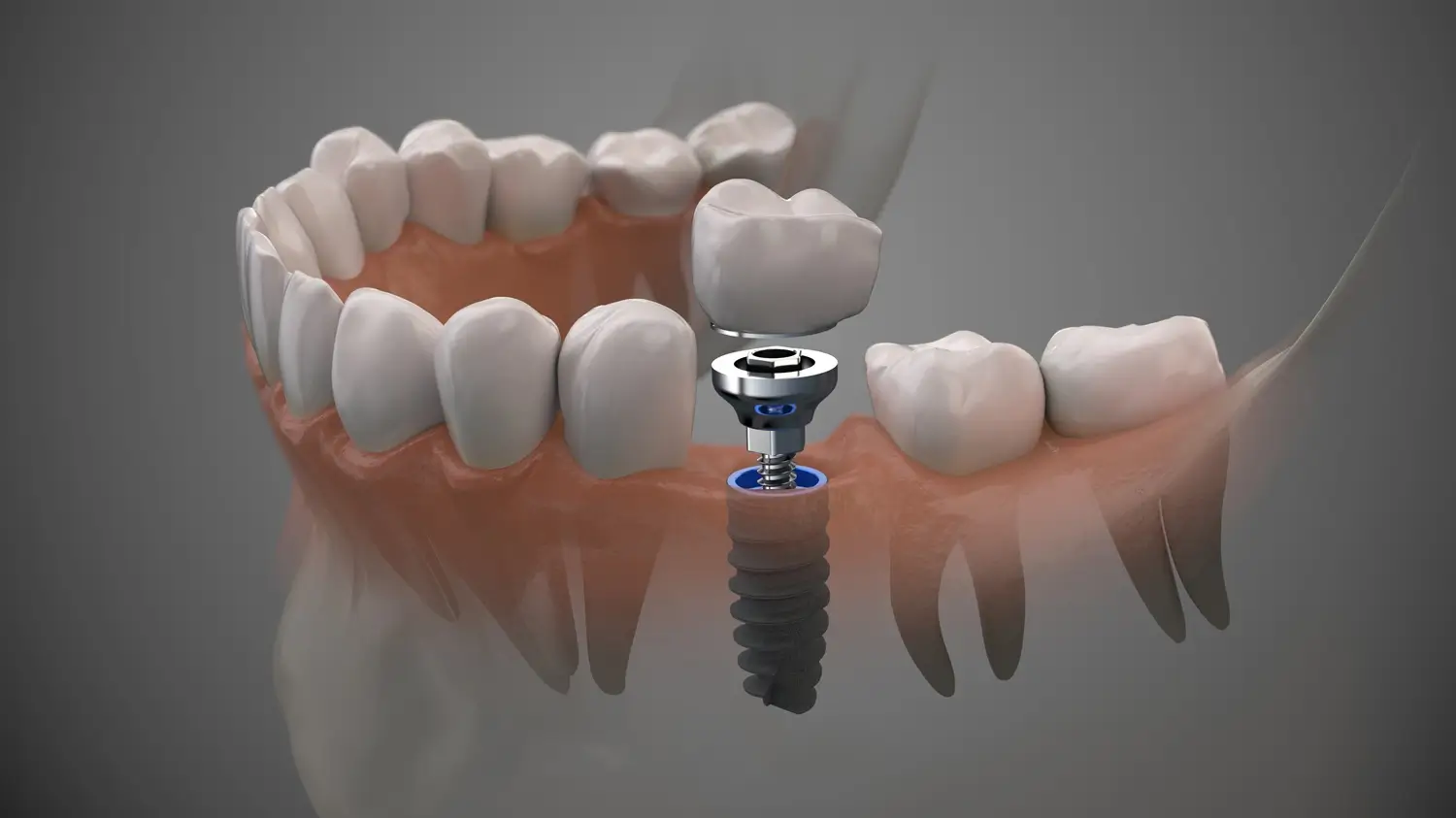
After the implant is inserted, the healing phase begins.
This is when the jawbone gradually bonds to the implant in a process known as osseointegration.
This bonding creates the strong anchor needed for long-term support.
The length of the healing period depends on:
During this period, you may be asked to eat soft foods and maintain good care of your mouth to support healing.
Following your dentist’s advice helps protect the implant and reduce the chance of complications.
You may also be encouraged to avoid smoking, as it can slow healing and reduce the likelihood of implant success.
When the implant has fused securely to the bone, the next step is abutment placement.
The abutment is a small connector piece that links directly to the implant.
It plays a key role because it holds the dental crown, bridge, or denture securely in place.
This part of the implant procedure usually involves reopening the gum tissue gently so the abutment can be fixed onto the implant.
Afterwards, the gums heal around the abutment over a few weeks.
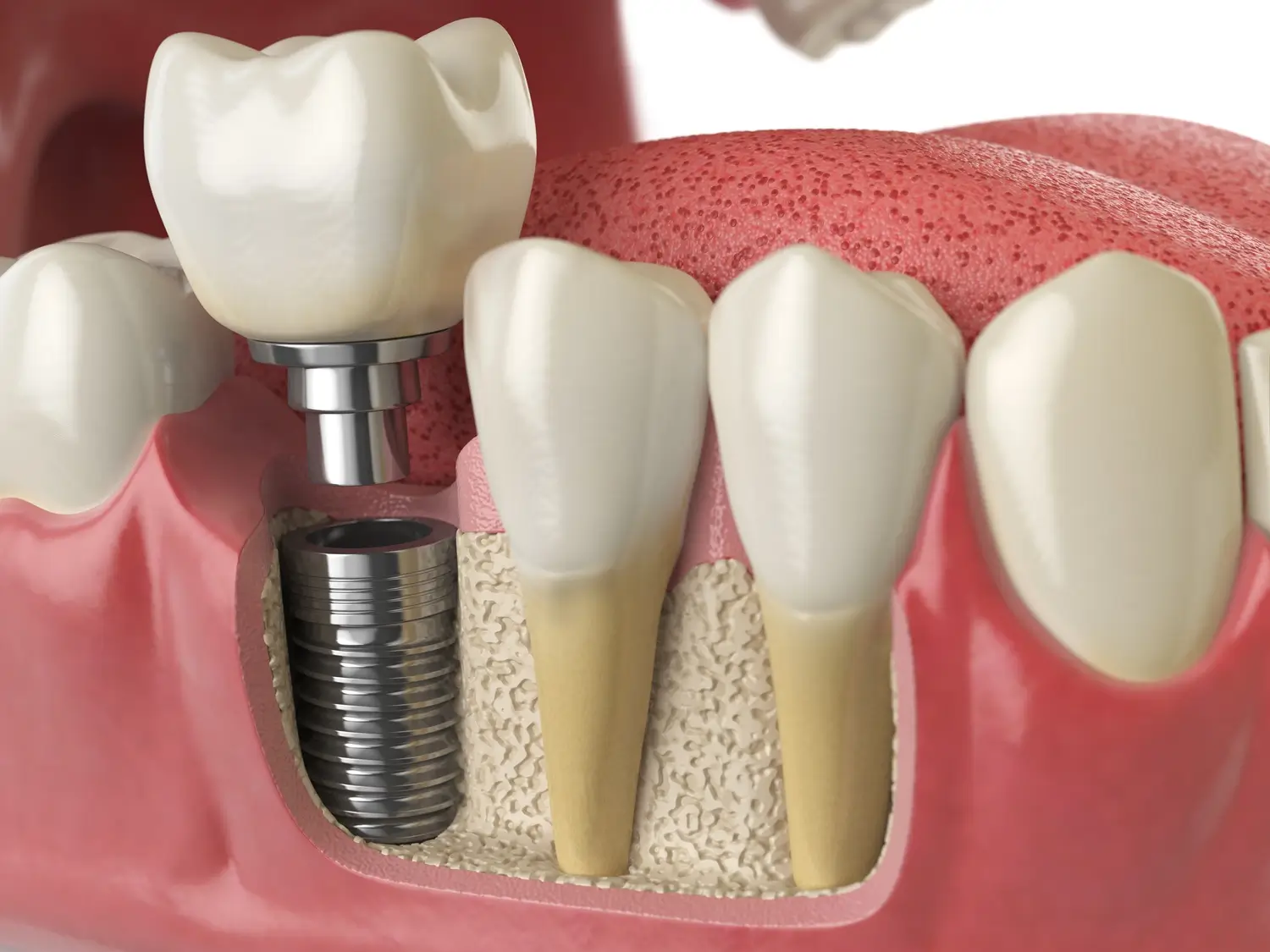
Once the gums have healed, the final stage of the dental implant process begins.
Your dentist will:
The aim is to create a natural-looking tooth that blends with your remaining teeth.
When the permanent crown or full-arch solution is complete, your dentist will attach it to the abutment.
This marks the final step of the procedures, and you now have strong, stable new teeth that help restore comfort and confidence.
Once the implant is fitted, long-term care helps keep your implant site healthy. Your dentist will recommend ways to:
Regular check-ups help your dentist monitor the implant and the tissues around it.
A dental implant procedure is a reliable way to replace missing teeth, protect your oral health, and restore comfort in daily life.
Whether you need a single implant, a full arch, or support for a temporary denture, the process is designed to keep you safe, supported, and informed every step of the way.
By understanding each stage, from the initial consultation and implant surgery to healing, abutment placement, and the final crown, you can approach treatment with confidence.
If you’re concerned about missing teeth or want a long-term, comfortable replacement option, you can book a consultation with us at Arc Dental or call (03) 9008 6366 for personalised guidance.

Resources
“Cleveland Clinic Staff. (2024). ‘Dental Bone Graft’. Cleveland, 6 August. Cleveland, OH: Cleveland Clinic.
https://my.clevelandclinic.org/health/treatments/21727-dental-bone-graft"
“Cherney, K. & McLean, A. (2025). ‘10 Ways to Keep Your Teeth Healthy’. New York, 13 May. New York, NY: Healthline Media.
https://www.healthline.com/health/dental-and-oral-health/best-practices-for-healthy-teeth"
Note: Any surgical or invasive procedure carries risks. Before proceeding, you should seek a second opinion from an appropriately qualified health practitioner.






Monday - Thursday: 8.30am-5.30pm
Friday: 8.30am-4.30pm
Saturday: 9.00am-2.00pm (by appointment only)
Sunday: Closed
Note: Any surgical or invasive procedure carries risks. Before proceeding, you should seek a second opinion from an appropriately qualified health practitioner.
Financial disclaimer: All financial information on this website is general and not to be taken as financial advice. It is recommended that you discuss your personal finance options with your financial institution and/or advisor before making a decision.
Privacy Policy | Terms and Conditions
Copyright © Arc Dental 2025. All rights reserved.